
Analgesic Nephropathy: Causes, Risks, and What You Need to Know
When you take painkillers like ibuprofen, aspirin, or acetaminophen every day for months or years, you might be quietly damaging your kidneys. This condition is called analgesic nephropathy, a type of chronic kidney injury caused by long-term use of over-the-counter pain medications. It’s also known as analgesic abuse nephropathy, and it doesn’t happen overnight—but it’s real, preventable, and often missed until it’s advanced.
Most people think of kidney problems as something that comes from diabetes or high blood pressure. But NSAIDs, nonsteroidal anti-inflammatory drugs like ibuprofen and naproxen are a hidden cause. These drugs reduce inflammation and pain by blocking enzymes your kidneys rely on to manage blood flow. Over time, that interference can scar kidney tissue, lower function, and even lead to kidney failure. Chronic pain medication, especially when taken in combination (like aspirin + acetaminophen + caffeine), is the main driver. Studies show people who take these drugs daily for five years or more are at the highest risk—especially older adults, those with existing kidney issues, or anyone using multiple painkillers at once.
What makes analgesic nephropathy tricky is that it doesn’t cause obvious symptoms until it’s serious. You won’t feel your kidneys failing. No sharp pain. No sudden swelling. Instead, you might notice fatigue, trouble concentrating, or mild swelling in your ankles—signs many blame on aging or stress. By the time a doctor spots it, the damage is often permanent. That’s why prevention matters more than treatment. If you’ve been taking painkillers daily for years, it’s not just about cutting back—it’s about getting your kidney function checked. Simple blood and urine tests can catch early signs before it’s too late.
Some of the posts here dive into how common painkillers like NSAIDs can quietly raise blood pressure, how drug interactions with anticoagulants like warfarin can increase bleeding risks, and how pharmacists catch dangerous medication errors before they reach patients. These aren’t random topics—they’re all connected to the same theme: how everyday medications can have hidden, long-term consequences. You’ll find real-world guidance on spotting early kidney damage, understanding what’s in your pain meds, and making safer choices without giving up relief. This isn’t about fear. It’s about awareness. And the tools to protect yourself are simpler than you think.
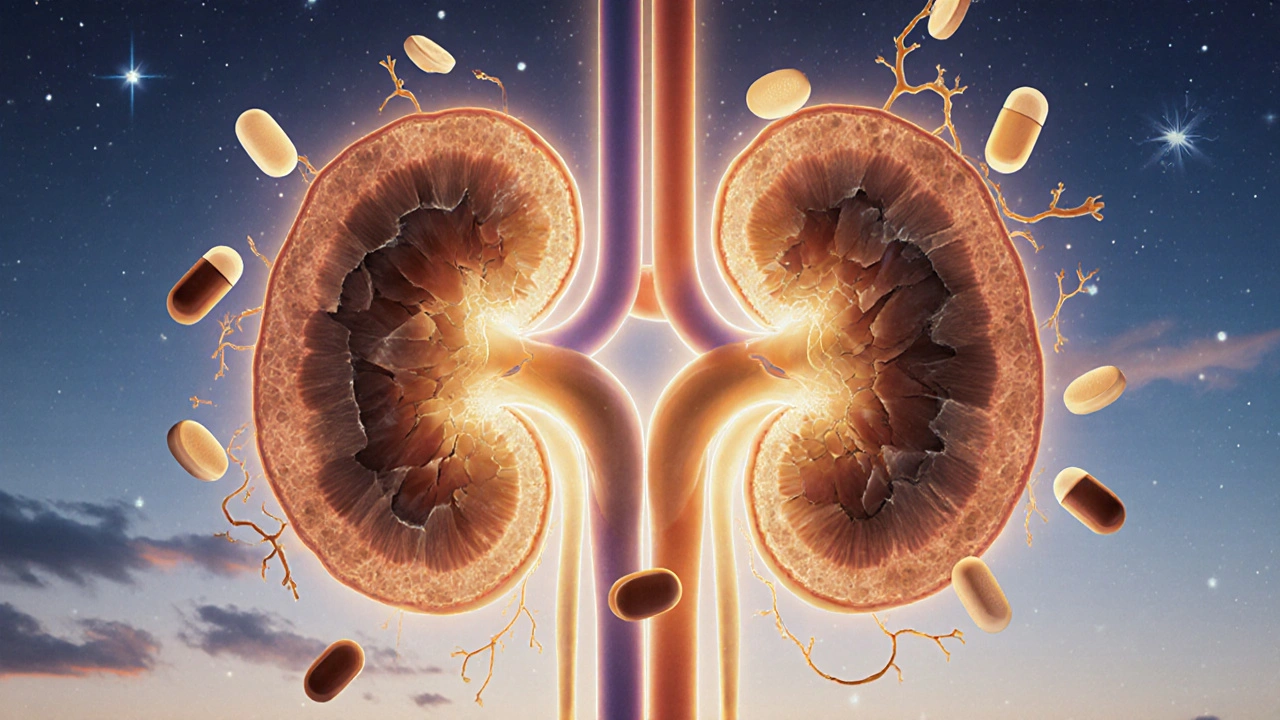
Analgesic Nephropathy: How NSAIDs Damage Kidneys and What Safer Pain Relief Looks Like
Analgesic nephropathy is a silent kidney disease caused by long-term use of NSAIDs and acetaminophen. Learn how it develops, who's at risk, and what safer pain relief options actually work.