
Category: Medications - Page 3

Antimalarial Medications: QT and CYP Interactions You Need to Know
Antimalarial drugs like hydroxychloroquine and artemether-lumefantrine can cause dangerous heart rhythm changes and interact with common medications. Learn which combinations are risky and how to stay safe.

Quality by Design in Generic Drug Development: Modern Science-Based Approaches
Quality by Design (QbD) is now the standard for generic drug development, replacing outdated testing methods with science-based process control. Learn how QbD improves bioequivalence, cuts approval times, and saves millions-while ensuring consistent, safe medicines.

Macrolide Antibiotics and Heart Arrhythmias: What You Need to Know About QT Prolongation Risk
Macrolide antibiotics like azithromycin and clarithromycin can cause QT prolongation and dangerous heart rhythms. Learn who’s at risk, how to spot warning signs, and what alternatives exist.

Vancomycin and Infusion Reactions: What You Need to Know About Vancomycin Flushing Syndrome
Vancomycin infusion reactions, once called red man syndrome, are common but preventable. Learn what causes them, how to recognize them, and why slowing the infusion is the only real fix.

Generic vs Brand-Name Drugs: Key Differences Explained
Generic drugs save patients up to 85% on medication costs while matching brand-name drugs in safety and effectiveness. Learn how they're approved, when to choose them, and why they're the smartest option for most people.

Keeping a Medication Journal: Tracking Your Response to Generic Medications
Track your body's response to generic medications with a simple journal. Learn what to record, why it matters, and how to use your data to talk to your doctor - especially for critical drugs like thyroid meds or blood thinners.
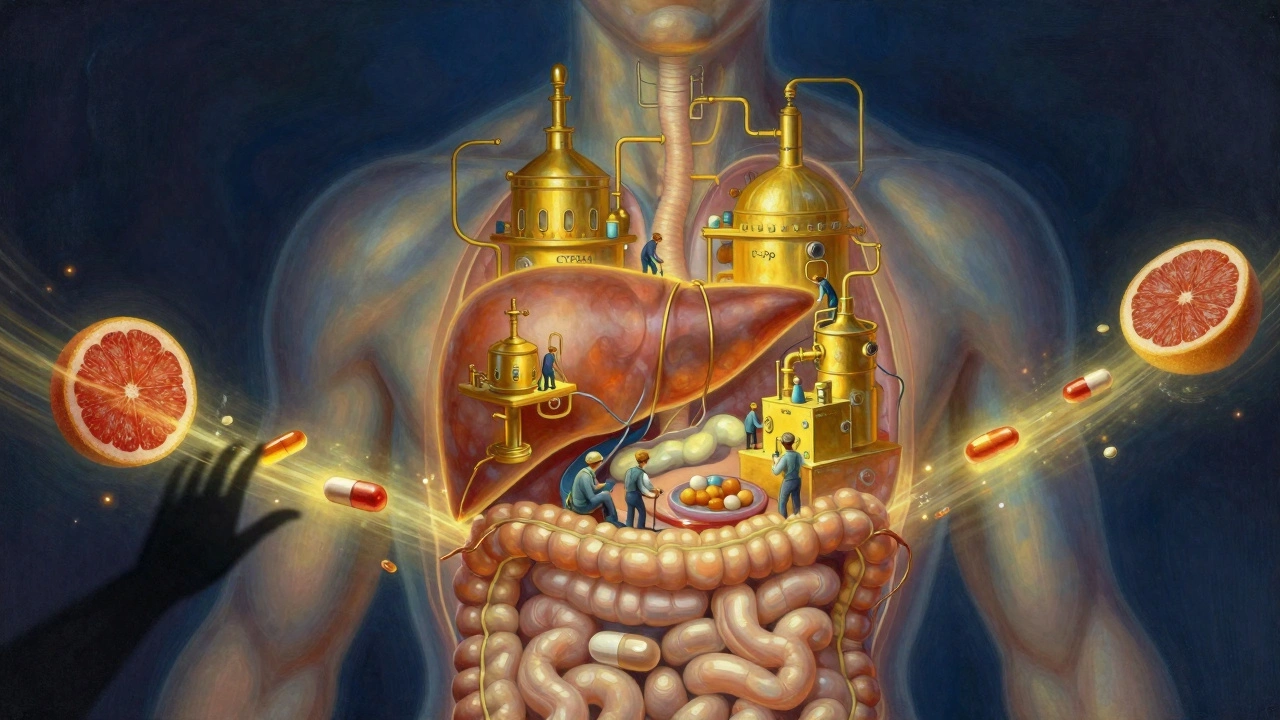
Antiviral Medications and CYP3A4/P-gp Interactions: What You Need to Know
Antiviral medications like those for HIV and hepatitis C can dangerously interact with common drugs through CYP3A4 and P-glycoprotein. Learn how to avoid life-threatening side effects with simple checks and safer treatment options.

Immunogenicity in Biosimilars: Why Immune Responses May Differ from Reference Biologics
Biosimilars are not exact copies of biologics-tiny structural differences can trigger immune responses. Learn why immunogenicity varies between reference drugs and biosimilars, and what it means for patients.

Chinese Generic Production: Manufacturing and Quality Concerns in Global Pharma
Chinese manufacturers produce 80% of the world's generic drug ingredients, but quality issues, outdated tech, and supply chain risks threaten global medicine safety. Here's what you need to know.

FDA Orange Book: Where to Find Patent Expiration Dates for Generic Drug Entry
Learn how to find patent expiration dates in the FDA Orange Book to predict when generic drugs will become available. Includes step-by-step search tips, common pitfalls, and how to verify data.