
Category: Medications - Page 2
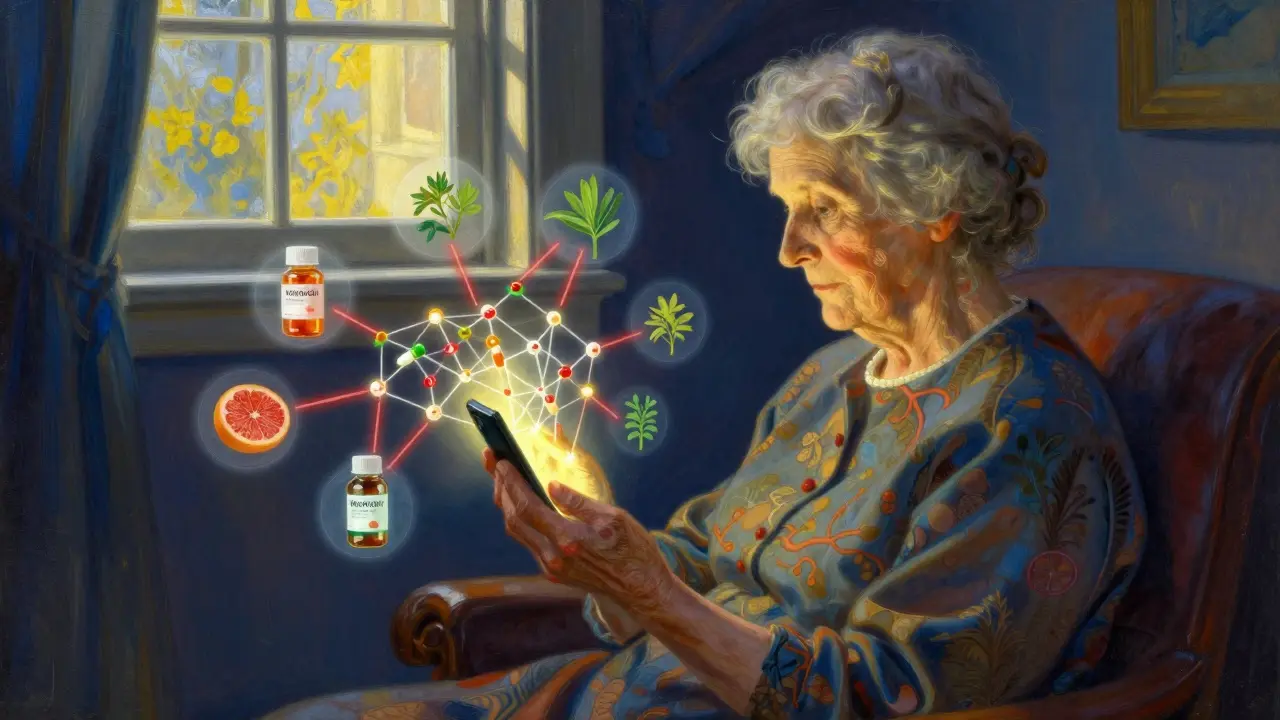
How to Use Pharmacy Apps to Track Potential Drug Interactions
Learn how to use pharmacy apps to catch dangerous drug interactions before they happen. Discover the best apps, how they work, and how to use them safely with prescriptions, OTC meds, and supplements.

Opioid-Induced Itching: How Histamine and Nerve Pathways Cause It - And What Actually Works
Opioid-induced itching affects up to 100% of spinal morphine users, but antihistamines rarely help. Discover why it happens, what actually works - like nalbuphine and low-dose naloxone - and how to tell it apart from true allergies.

How the FDA Ensures Generic Drug Safety Through Manufacturing Oversight
The FDA ensures generic drug safety through strict manufacturing standards, inspections, and ongoing surveillance. Every generic must match the brand-name drug in effectiveness and safety, with oversight continuing long after approval.

Pharmacy Reimbursement Models: How Laws Control Generic Drug Payments
Generic drugs save billions, but how much pharmacies get paid is controlled by complex laws and PBM contracts. Learn how MAC pricing, Medicare Part D, and state regulations affect your out-of-pocket costs.

Best Reliable Online Resources for Generic Drug Information
Find trustworthy, free online sources for accurate generic drug information. Learn how to use DailyMed, MedlinePlus, Drugs.com, and the FDA Orange Book to check safety, interactions, and therapeutic equivalence.
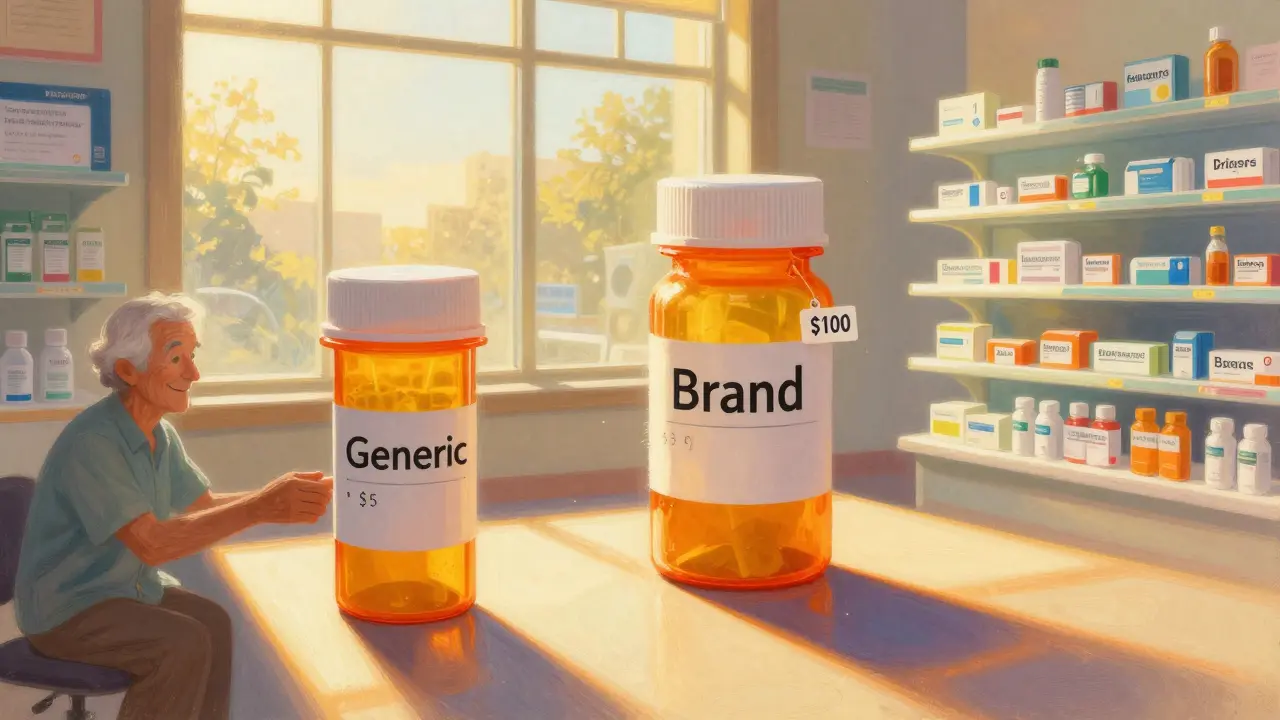
Generic Copays vs Brand Copays: Average 2024 Costs Explained
Learn the average 2024 copays for generic vs. brand-name prescription drugs under Medicare and private insurance. See real cost differences, how tiers work, and how to save money on your meds.
Generic Drug Concerns: Separating Myths from Facts About Safety and Effectiveness
Generic drugs save billions but face myths about safety and effectiveness. Learn the facts: how the FDA ensures they work the same as brand-name drugs, when switching might cause issues, and why most people never notice a difference.

Blood Pressure Medication Safety in Older Adults: Managing Orthostatic Hypotension Risks
Many older adults on blood pressure meds experience dizziness when standing due to orthostatic hypotension. The solution isn't always reducing medication-it's choosing safer drugs like ARBs and ACE inhibitors, plus simple lifestyle changes.
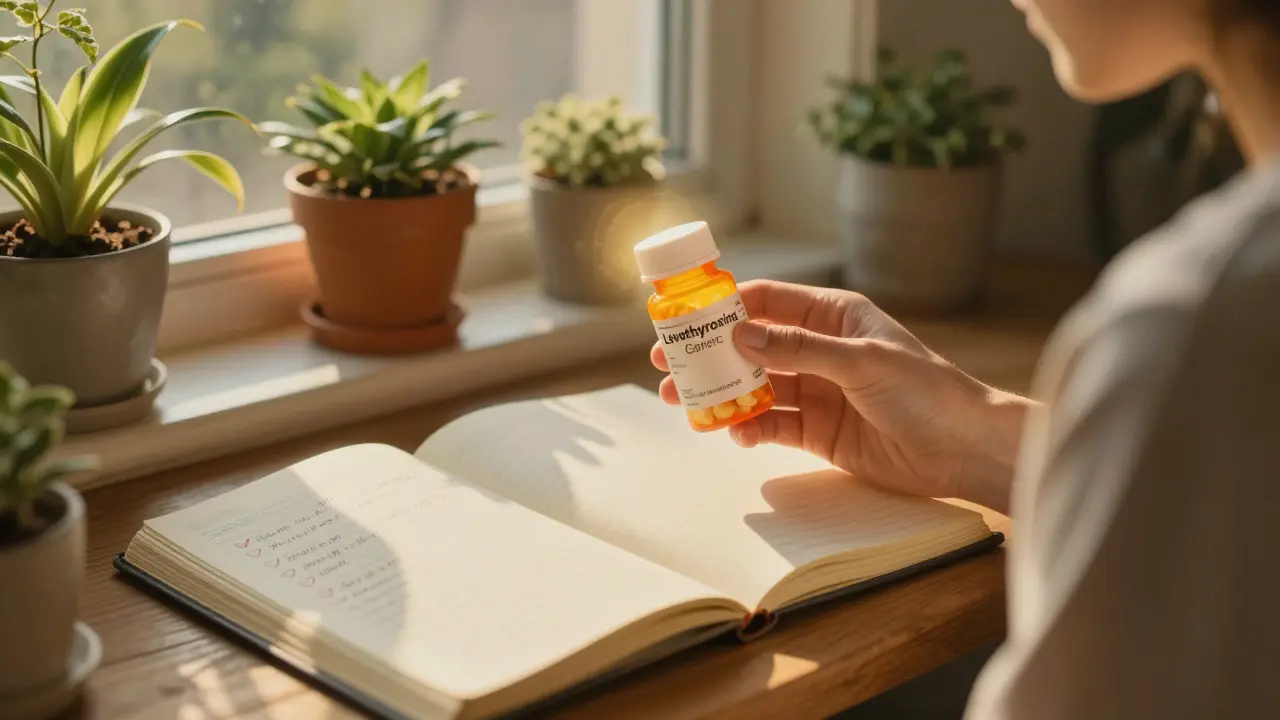
Monitoring Your Health After Switching to Generics
Switching to generic medications is safe for most people, but some need to monitor their health closely. Learn which drugs require extra attention, how to track symptoms, and what to do if you notice changes after the switch.

Generic Drug Quality Standards: FDA Requirements and Testing Explained
Learn how the FDA ensures generic drugs are just as safe and effective as brand-name drugs through strict pharmaceutical and bioequivalence standards, manufacturing inspections, and testing protocols. Discover why generics save billions without compromising quality.